Fill the form below

By clicking on 'Submit' above you confirm that you accept the Terms & Conditions and Disclaimer

First Choice Hair Transplant & Cosmetics

70% of Women Experience Hair Loss – How to prevent it?

Many people think that baldness is not a serious issue, especially for women. However, data gathered from different sources reveal that almost 70% of the female population in India suffers from hair loss issues. Commonly speaking, for women staying in urban areas, hair loss has been accepted to be a menace. This is due to the major environment pollution and dust particles, including water pollution as well.

The loss of hair can actually trigger a lot of personality issues as have been stated by the experts. But, unfortunately, baldness in women can occur at any point of time and several factors can be allocated to such occurrences.

What are the factors on which hair loss is dependent, especially in Women?

There are various factors which have been known to causes loss of hair in women. According to the hair loss specialists, these factors can be understood as:

1. Internal
2. External

According to the experienced Dermatologists, the loss of hair in women can be caused from a number of internal factors. Internal factors can be related to health conditions, like chronic diseases, obesity or hormonal changes. Onset of pregnancy can also cause a huge volume of hair loss in women. While these are known to be internal factors, there are lots of external factors as well such as pollution, sun exposure, harsh hair products, improper hair care routine etc.

Pattern Hair Loss – A Very Common Occurrence in Women
Pattern hair loss is a common occurrence in Indian women. Thinning of hairline is a general phenomenon in such a case and a receding hairline is noticed in women very often. This is considered to be a dangerous signal, as this can complicate the process of hair transplantation. Precautions should be taken immediately in order to address & treat the pattern hair loss in the right manner.

Taking Care of Hair in Women: What Doctors Recommend?

  • Most of the women in India do not follow a wholesome diet, as a result of which loss of hair is often triggered. In such cases, the women diagnosed with hair loss are suggested to take care of their nutrition chart.
  • Also, taking care of scalp and hair in proper manner can prevent the loss of hair. Besides oiling the hair regularly, appropriate cleaning of hair is also an essential tip for women.
  • The doctors also recommend that too much use of chemicals need to be avoided for maintaining the strength and health of your hair roots.

Hair Transplant in Women

In order to perform surgical hair restoration in women, the hair transplant surgeons identify healthy donor follicles at first level. Since the process of hair transplantation happens to be minimally invasive, therefore women should take proper consultation while going for the same. Undertaking an appropriate type of surgery remains to be the responsibility of the doctor, as the nature of the surgery depends on the kind of hair loss the candidate is suffering from. Thus undergoing hair transplantation is a crucial decision that needs to be taken carefully in order to avoid any future complications.

Other Treatment Options

Experts have acknowledged that there are several patterns of hair loss in women and most of the women adapt temporary strategies to combat loss of their hair. Platelet-rich Plasma (PRP) is a common technology that can be implemented for women facing hair loss troubles. The medications and artificial hair restoration like wigs, patches etc also work great in some cases of hair loss.

Based on the severity of hair loss, women should consider right treatment option whether it is surgical or the non-surgical one. In order to get the right consultation & guidance from an experienced hair loss specialist, we suggest you to book an appointment and visit FCHTC clinic in Ludhiana, Punjab.

An Ideal Guide to Fight with Hair Loss

The rate of hair loss has increased at an alarming rate in the recent years. If one looks at the statistic of people suffering from hair loss, then it will be quite a big number. The people residing in the metro cities are suffering the most from the hair fall concerns. Other than genetic or hereditary issues, the primary reasons for hair loss are pollution, dust particles, poor water quality, extreme sun exposure, unhealthy eating habits, inappropriate life style and much more. At a very early age, the men & women tend to lose their hair which is a real cause of embarrassment and lack in self-confidence.

Male-Pattern-Baldness

The Permanent Solution to Hair Loss

The only permanent solution to hair loss or baldness is Hair Transplant Surgery. It is certainly the best method to deal with such issues. There are thousands of people who prefer to opt for surgical hair restoration treatment so as to save themselves from complete baldness.

Mostly all the places in India have got a huge number of hair transplant clinics which provide the best kind of hair loss treatments to their patients. Hair transplant in Ludhiana at First Choice Hair Transplant & Cosmetics clinic is said to be the most prominent place to treat hair loss & baldness. There are two surgical hair restoration techniques that are commonly used – FUE & FUT. Let’s have a look at both the hair transplant methods in brief!

FUT- Follicular Unit Transplant

In this method, initially the patient is provided with local anesthesia and the hair transplant doctor removes at least 6 to 10 inch strip of skin from the back portion of the head. After this, the surgeon along with his team dissections the strip into various individual grafts, using the microscopic technique. The number of grafts achieved after dividing the strip depends on some factors like hair type, color, quality, strength of hair at donor area. The area required for the transplantation also influences the count of grafts extraction. In this way, the process of extraction by FUT method is accomplished and the removed hair grafts are then placed one by one into the marked recipient areas.

FUE- Follicular Unit Extraction

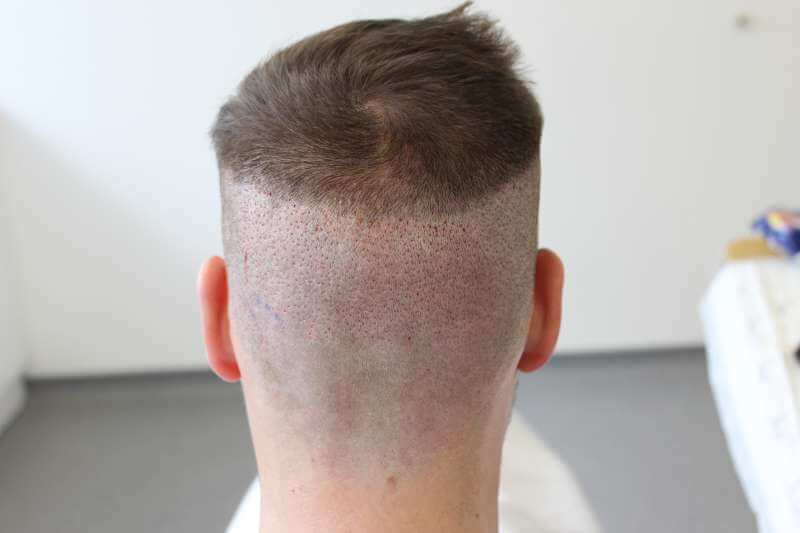
Next on the line is FUE hair transplantation and this method has come up with the latest advancements in the hair restoration surgery. In this process, at first, the hair transplant surgeon and his team shaves the donor area (back of the scalp) for better visibility and removes the hair grafts one by one from that portion. The harvested hair follicles are stored into specific solution to maintain the liveliness of follicles. After the completion of extraction process, the doctors will continue to do grafting/implantation.

Fue hair transplant

FUE has greater benefits than FUT hair transplantation; that’s why it is the more preferable one. The implantation process in both the techniques is identical and usually takes around 4 to 6 hours. But at times, it depends on the individual requirements of the hair transplant candidates.

Hair Transplant Results & Recovery

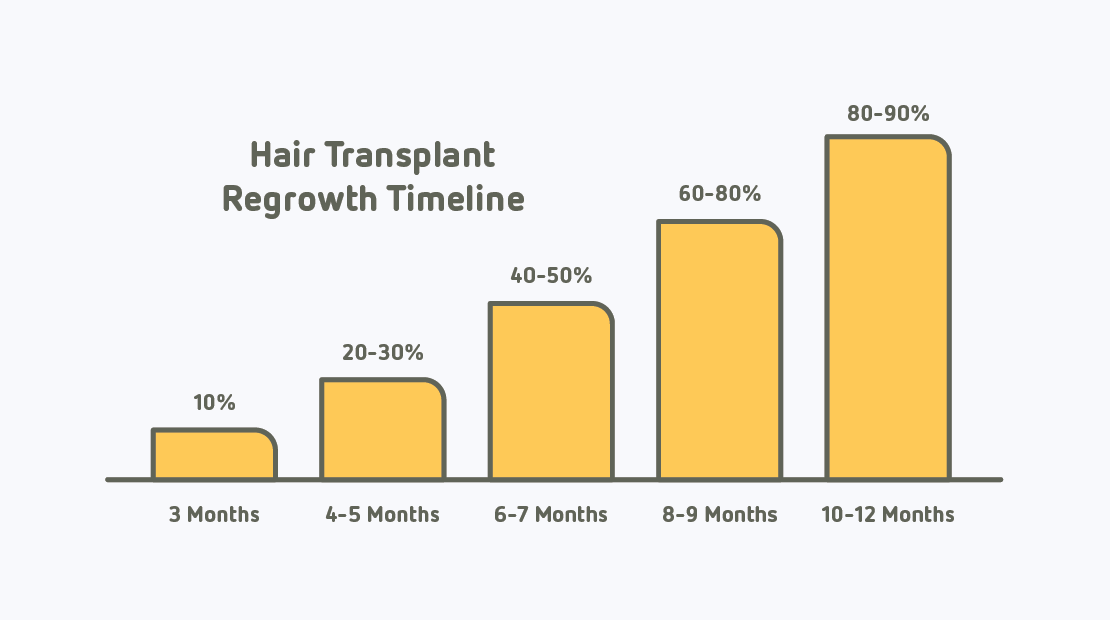
Hair transplantation is one such process that provides the best & natural-looking results after a certain time period. Within a period of two to three weeks after surgery, the transplanted hair tends to fall out completely and the new hair root starts growing after 1 – 2 months. It has often happened that people have realized the noticeable growth of their transplanted hair within 6 months. With the passage of time, the person will get back his/her lost hair that will look completely natural and there will be no such side effects to it.

Why People Afraid to Undergo Hair Transplantation?

The major thing that stops people from undergoing a hair transplant surgery is the expensive cost. But it is completely a wrong notion. The cost varies from one patient to another; therefore one has to visit the hair transplant clinic and consult with the experienced Dermatologists to know about the exact condition of his hair. The cost can be decided & negotiated as per the level of your baldness and the number of grafts required. Talking about one of the most popular cities in Punjab, the hair transplant cost in Ludhiana is quite average for the common people to afford.

Does Male Pattern Baldness Really Skip Generations?

Are you worried that you may suffer from male pattern baldness which is a hereditary problem? Your forefathers might have suffered with baldness. That’s why you have a nightmare that you will also certainly follow their path, right? But, be assured; this is not always true.

In this article, we will discuss about the inherited pattern of baldness.

Let us first focus on the science which talks about the genetic mutation and heredity. You should be aware of the different genetic factors which are responsible for developing male pattern baldness. So, if the reasons are known to you, you may take precautions to lower the risk of suffering from male pattern baldness.

How do you inherit Male Pattern Baldness?

male-pattern-baldness
Male Pattern Baldness

Before we start discussing about the main topic, i.e. whether it is possible to skip baldness for any generations, it is more important to tell you the fact that scientists are still not sure of the exact inheritance pattern of male pattern baldness or androgenic alopecia. The reason behind this is the existence of multiple genetic and environmental factors, which play a key role in developing male-pattern baldness.

What is AGA inheritance?

Let’s now discuss about the research work done by the scientists on AGA inheritance. First and foremost, the research work reveals that heritability of AGA has counts of over 80%. This mainly occurs due to androgen sensitivity. Now you may have a question in your mind that what is the role of Androgen in our body?

Androgen is a type of hormone present in the human body. The main function of this hormone is to develop pubertal actions, in both males & females. In male bodies, androgen helps to develop the male sex organs along with secondary characteristics like growth of body hair, deepening of the voice, increase of muscle mass etc. These changes we generally notice in males undergoing puberty.

Now, we have a generalized idea that androgens play major role in the development of male-pattern baldness. But the actual fact is that it’s the androgen receptors that cause a problem. Genetics Home Reference claims that a gene known as the Androgen Receptor or AR is responsible for the development and placement of androgen receptor. Increased activity of androgen receptors in hair follicles occurs due to the variations or mutations in this gene.

In the year 2001, Ellis et. al. conducted a study of androgen receptor genes over 553 men. Among these men, 446 numbers showed signs of significant baldness, while the rest didn’t have any indication of baldness whatsoever. Scientists, on the basis of mutation of one particular gene, drew a conclusion that men diagnosed with baldness had a higher incidence of AR gene.

A survey was conducted on 54 young bald men. 98.1% of these men had the mutation. Remaining bald men had a mean age of 56. In comparison to this, only 76.6% of the 107 non-bald people showed this mutation.

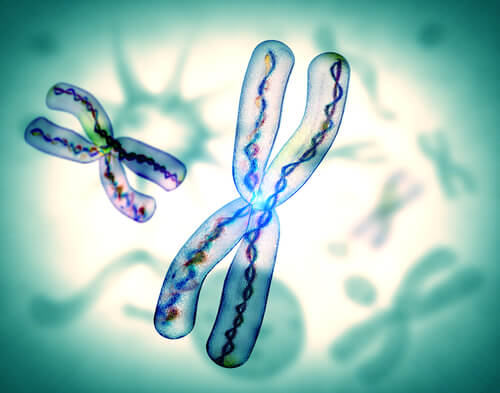
20th chromosome that can lead to hair loss is found at locus 20p11.22
The location of the mutation on the 20th chromosome that can lead to hair loss is found at locus 20p11.22.

Previously, AGA inheritance was believed to be a result of mutated AR gene. That would mean that inheritance patterns should be maternal. Further studies indicated that there exist an X-linked AR gene, but it’s not the sole factor responsible in male pattern baldness. An associated locus at chromosome 20p11.22 was discovered by a team of researchers in 2009. This research work was performed on 1,125 males. The study showed that an increased risk of AGA was present in those men who have a mutation on rs1160312 marker of chromosome 20. Furthermore, this research indicated an increased risk of AGA in men with both risk alleles (at 20p11.22 and AR). A 2016 study revealed the fact that there are at least 12 additional loci that were previously not discovered. More and more chromosomal loci, which contribute to male-pattern baldness inheritance, are being identified as the research continues.

Hope the above discussion has thrown some light on your idea about male pattern baldness or androgenic alopecia. At the same time, this is a true fact that you can’t alter your genetics. But surely, you can take a proactive action to baldness treatments by consulting with our hair loss specialist at FCHTC clinic in Ludhiana. We’ll guide you with the best solution to lessen the impact of baldness inheritance and will give you a better chance of resisting hair loss.

How to Speed Up Hair Growth after Hair Transplant Surgery?

In the modern era, a large percentage of young people is undergoing chronic hair thinning problem leading to partial or total baldness in both men and women. In many cases, people do not get rid of baldness in spite of intensive medical treatments. As baldness is considered to be a sign of aging, many people can undergo depression as well. The premature baldness also causes erosion of self-confidence.

Medical treatment is effective only for hair loss that occurs due to illness or poor nutrition. But for permanent baldness due to heredity, commonly known as male/female pattern baldness, can only be resolved through surgical hair restoration treatment. Hair transplant is such a surgical method which helps to eliminate bald patches on scalp and provides long-lasting & natural hair growth results.

A common query among the upcoming hair transplant patients is how to speed up the hair growth after a hair transplant surgery. According to the  American Academy of Dermatology, natural looking new hair growth may take about 6 – 8 months. However, after a successful hair transplant, proper care & maintenance is must, as it would help to achieve expected results by promoting faster hair growth.

The process to be followed to speed up hair growth after hair transplant surgery:

Step 1
It is advised to treat your scalp gently after the hair transplant procedure. Always use the medications that your doctor has prescribed for you. Do not apply too much pressure on the operated zone of the scalp while using medications as it may disturb the sections of transplanted hair. Carefully use a gentle shampoo to cleanse the area around the hair follicles as per the permission and guidance of your doctor. Avoid rubbing movements by applying light touch to disperse the shampoo. Don’t expose your scalp under strong water pressure; instead rinse the water gently over the scalp. Pat your operated scalp dry with a soft towel after shampooing.

Step 2
You may suffer from slight itching and scabbing around your transplanted hair. Hence, always keep your fingers away from your healing scalp and avoid scratching your scalp or picking of the small scabs.

Step 3
For at least seven to 10 days, you should avoid doing all heavy physical activities like jogging, bicycling or playing any kind of outdoor sports. This resting period will help in the improved growth of transplanted hair on your scalp. The doctors will also recommend you to limit your weight lifting activities right after hair transplant surgery.

Step 4
A variety of healthy food items should be consumed as a balanced diet; because a good nutritious food will enhance your hair growth results. The University of Maryland Medical Centre suggests that consumption of healthy diet with antioxidant foods like blueberries, squash, peppers, cherries and tomatoes will help you in regeneration of hair. Just avoid eating allergenic foods such as soy, diary, wheat and also food additives. Drink plentiful of water- at least six to eight glasses every day.

Step 5
You may treat your scalp to a gentle massage only if your doctor gives you the permission to begin manipulating the area around your transplanted zone. You may prepare a mixture of three drops of the essential oils of rosemary, sage & peppermint; and stir these with 1 tbsp. of olive oil. Researchers of the University of Maryland Medical Centre reveal that these essential herbal treatments help in stimulating new hair growth. Use this oil mixture on your scalp once or twice a day.

Step 6
You may take advice from your doctor about using Minoxidil which will help in faster growth of your hair. Follow the label’s instructions or your doctor’s recommendations while applying this solution on your clean scalp. Do not forget to wash your fingers well after applying Minoxidil to your new hair.

Surely, now you have gathered some significant ideas about speeding up the hair growth after hair transplantation. We recommend you to follow your doctor’s instructions thoroughly for achieving the best results from your hair transplant procedure. If you still have any doubt regarding hair transplantation, then you can ask your queries by contacting us or visiting First Choice Hair Transplant Clinic in Ludhiana.

FUE Hair Transplant: Perfect Explanation of Procedures

Hair transplant surgeries have become very common in this modern era. A few years back, only a few people or celebrities would undergo hair transplant surgery; passing time has proved hair transplantation a boon for a big count of people facing hair loss/baldness.

Over time, India has become a major hub for cosmetic surgeries, hair restoration, and multiple other medical treatments. Because of the good quality results & affordable price range, hair restoration treatments have become famous in cities like Ludhiana, Bhopal, Lucknow, Dehradun, Jammu, Nagpur, Allahabad, Jaipur, etc.

FUE Hair Transplant Procedure

FUE hair transplant is actually a minimally invasive technique due to its quick recovery time and excellent natural looking results.

STEPS IN FUE HAIR TRANSPLANT PROCEDURE:

PHOTOGRAPHS: When the patient visits the clinic for consultation, all the doubts of the patient are cleared by the surgeon and photographs of the head are taken from all the predefined angles, for post surgery and analyzing the results. These pictures are clicked by the team with a special camera and the collection is given to the patients with all the steps of treatment.

MARKING OF THE DONOR AND RECIPIENT AREAS: The hair transplant surgeons initially mark the donor and recipient regions so as to perform the procedures of extraction & implantation in a precise manner. After marking both the areas, the donor area is partially or fully shaved for improved visibility.

EXTRACTION FROM THE DONOR AREA: The donor area is the region from where the hairs are extracted after applying the local anesthesia. The hairs from the donor area do not have the propensity to fall as they don’t acquire the genetic code for baldness. Extraction is done by an instrument called “Punches”. The count of hair follicles that can be extracted in one day is about 2000 – 5000 follicular units. It also varies from patient to patient, based upon the individual characteristics of hair.

PREPARATION & STORAGE OF FOLLICULAR UNITS: Apparently after extraction, the hair follicles are stored in a specified solution, ensuring that they are strong and active. These units are hydrated in ideal room temperature until the procedure of implantation gets completed. The proper preparation and preservation of the follicular units are extremely important for achieving the successful results of hair transplant.

BREAK: The time taken to complete the hair transplant procedure might take around 6 to 8 hrs depending upon the number of grafts. As the patient is administered local anesthesia, a break is given between the extraction stage and the beginning of implantation. A light meal is given to the patient in the break averaging up to 30 minutes.

IMPLANTATION: During this phase, anesthesia is locally applied to the recipient area. The incisions are exactly the same as the length of the follicular unit; this is to avoid lesion of the blood vessels. These incisions ensure the right angle and direction of hair growth which are the same as that of natural hairs. The surgeon then carefully implants the follicles using Puncher, looking into the depth of hair extracted, the direction and inclination. The procedure may take around 6 to 8 hours or more than one sitting depending upon the number of grafts.

POST PROCEDURE: The transplanted hair falls in and around 3 to 4 weeks after the surgery. Once the shedding stops, the new hairs start to re-grow which are permanent. The patient can notice the natural hair growth results after 3 – 4 months. It takes around 8 to 10 months to get the complete growth of hairs with thick density. For the purpose of getting excellent outcomes, you should go through the pre & post surgery instructions in advance.

SEND YOUR BALDNESS AREA PHOTOGRAPHS ON WHATSAPP TO KNOW THE GRAFTS AND COST

7087 02 02 02


  • Contact us