Fill the form below

By clicking on 'Submit' above you confirm that you accept the Terms & Conditions and Disclaimer

First Choice Hair Transplant & Cosmetics

FUE Hair Transplant: A Permanent Treatment to Cure Hair Loss

Many human beings are commonly afraid of a hostile hair brush as it leads towards hair fall. As a matter of fact, loss of hair follicles has become an extremely common phenomenon as far as India is concerned. Hair fall is considered to be a menace in India, considering recent past. Increasing number of human population irrespective of age has been suffering from loss of hair and this remains to be an alarmingly true fact!

However, the experts have observed that a certain amount of hair fall is very common in the human beings. But the unnatural loss of hair is not at all a good sign; and therefore needs to be redressed with an immediate precautionary measure.

Hair Transplant – How can you control hair loss through specific technologies?

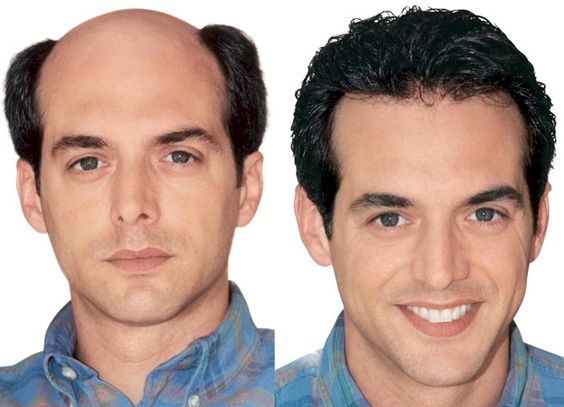
Follicular Unit Extraction (FUE) is one of the most suitable technologies in hair transplantation and it is greatly effective in order to control loss of hair. Most of the hair transplant doctors believe that this method remains to be an everlasting approach for treating hair loss & baldness. FUE has been known to produce remarkable results in both men & women, especially when loss of hair has grown to be a cause for constant worry.

Consult your Physician in case you are planning to go for FUE Hair Transplant!

It is always recommended that you should consult a good physician in case you are suffering from excessive hair loss problem. Although hair transplantation with latest techniques has now become a minimally invasive procedure, it is always better to take preventive measures before you decide to go for the same. It is important to note that the health practitioner will do an in-depth examination/analysis of your hair & scalp. This will enable the doctor to advise you that whether you should go for the hair transplant surgery or not.

Pre-Surgery Guidance

Since FUE is a minimally surgical intervention, there are a few guidelines that you need to follow in order to make the process successful. The overall objective for going into the procedure needs to be a positive outcome, which can generate a total and permanent solution towards hair loss. It means that you need to take into consideration the instructions which are being given by the hair transplant surgeons/dermatologists; so that the surgery can be successfully performed.

Here in this blog, we are providing you a list of few pre-operative instructions  which need to be followed before undergoing the process of Follicular Unit Extraction.

• Refrain from smoking for minimum 2 weeks before the confirmed date of surgical hair restoration.
• Avoid alcohol and associated drinks for quite a few weeks prior to the hair transplant surgery.
• Get the required blood tests done and carefully follow the regime of consuming prescribed medicines.
• Avoid aspirin and different blood thinners for some time prior to the surgery or as suggested by your surgeon.

The FUE Procedure

In the process of FUE, the first step is to administer local anesthesia. It is applied to both the donor and recipient regions so as to avoid pain during the surgery. The healthy hair follicles are harvested individually from the donor vicinity; that means the extraction of one hair graft at a time takes place in FUE. The removed hair follicles are then transplanted in the recipient area, providing full coverage to baldness.

How many sessions are required?

In most of the cases where average number of grafts needs to be transplanted, only single sitting is required to complete the process. However, the number of sittings is dependent on a variety of factors which are individual specific. These factors include the following:

• Quantity & quality of hair grafts that is important to make the procedure successful
• Medical records of the patient and predicted effects.

However, an experienced surgeon can give a close feedback depending on the condition of your scalp hair & baldness level.

male-pattern-baldness

Post-Surgery Care & Recovery

Since the process of Follicular Unit Extraction remains to be surgically invasive, there are certain norms which need to be followed in terms of getting the patient on-board. These instructions are related to the following:

• Showering
• Exercise
• Diet
• Sun Exposure and many others

Medications are mandatory as per the requirements of the patient. A certain time period is needed to let the wounds and scars get healed. The chances of losing hair are also predominant, which gets lessened over a period of 5 – 6 weeks respectively.

The hair transplant doctors in big cities do recommend FUE as it imports lesser scars and involves no stitches. It hardly leaves a major impact by which the patient feels uncomfortable. Most of the cases related to hair transplant in Ludhiana are done through FUE hair restoration technique. In order to know more about Hair Transplantation, please log on to the website of FCHTC and get the complete details.
How to Prepare for Hair Transplant Surgery?

So you’ve had a serious discussion with your doctor about hair transplantation and now you are all ready to take your steps towards the journey called hair transplant. But are you sure that you are ready to appear for the surgery? We guess no; why?

Hair Transplant surgery is not a small treatment procedure. Well, it might look one but it is one of the most critical surgeries ever and a little mistake on the part of both the parties (the doctor or the patient) will make you land in a pool of troubles. We believe that the surgeon should make a chart for you that will be having the set of rules and regulations that you will have to follow before & after the surgery. You yourself must be willing to do so as well.

hair-growth- chart

In this blog, we will outline few rules & regulations for you to follow in case you are one of those hair loss/baldness sufferers who have decided to go under the knife.

Stop Smoking: We know smoking kills; however, we hardly care to stop smoking. But, do not even dare to have this attitude if you are about to go for hair transplant surgery in next few weeks. Stop smoking right away. If you are holding one right now, throw it. Smoking will delay the healing of wounds after the surgery. It also reduces blood flow to the skin which later might create havoc with the surgery. So stop smoking at least two weeks prior to the surgery. You can stop it earlier as well to get good hair restoration results.

Massage Your Scalp: Massage your scalp every night before heading the bed. Make use of oils like coconut oil, almond oil or argan oil. Massaging the scalp will result into improved flow of blood to the scalp; thereby promoting the healthy growth of hair in the follicular units. It will also help you in relaxing.

Get Tested: If you are 45 years or above, we will advise you to have a thorough check up session with your physician. Get your blood sugar levels, blood pressure and ECG checked and consult the surgeon properly, so that you can get the green signal for hair transplant surgery.

No Blood Thinners: Say a big ‘NO’ to the blood thinner, especially before two weeks of the surgery. Blood thinners might interfere with the surgery; thereby causing excess of blood loss which will hamper your overall health.

Do Not Go for a Hair Cut: Do not indulge yourself with hair trimming two weeks prior the surgery. Though the surgeon will shave a small portion of the hair in order to grow the follicles, but that will be done on the day of surgery. It is advised to let your hair grow naturally so that it can hide any cut or scar which will be left behind as a result of incision.

Hair Loss Medication: You will be advised to take medicines for hair loss so as to curb any further loss of hair before the surgery.

One Week before the Surgery

No Alcohol: If you have the habit of consuming alcohol, stop it right away; or at least a week before the surgery.

No Sun Exposure: Do not expose your scalp under the harsh rays of the sun. Be clever and carry an umbrella or wear a hat to avoid your scalp from getting sun burnt.

Stop Supplements: The surgeon whom you are consulting with, will tell you to stop popping in any vitamin or antibiotic supplement that you have been taking until now.

Three Days before the Surgery

Hair Dye: You will be advised to color your hair brown or black if you are going for the robotic treatment to harvest the hair follicles. This you will be advised to do three days before the surgery, as it will allow the robot to identify the hair follicles easily.

On the Day of Surgery

Head Wash: Wash your hair using a mild shampoo on the day of surgery. Do not make use of leave in conditioner or hair serums on your hair apart from the shampoo.

Avoid Caffeine: It is best advised not to consume any caffeine before the surgery. Only consider having a plate of light lunch or breakfast.

Lastly, before wrapping up, we will advise you to get your surgery done from the hair transplant surgeon who is a master in this field. We’ll recommend First Choice Hair Transplant & Cosmetics Clinic in Ludhiana for hair transplant surgery. This clinic is well-known for achieving high success rate in the hair transplant results.

Medical Checkup Prior to Hair Transplant Surgery

Before the Hair Transplant Surgery
Hair transplant is a commonly used procedure for the treatment of excessive loss of hair. But since it is a surgical process, people should be careful enough before they decide to go for the same. Hair transplant is a complicated process and a doctor’s consultation is must for the patients who want to go for this surgical hair restoration process.

Physical Health
Physical health is a very important aspect; and it is one of the major aspects which determine the next course of action. Examining the general aspects of your physical health is extremely important, because a good physical health can help to have a speedy recovery after hair transplantation.

Medical History
Medical history of a patient determines the natural complexities associated with any surgical procedures. Therefore, it is imperative that a hair transplant surgeon must be aware of the medical history of the patient before hair transplantation surgery takes place. The surgical impacts can be seriously effective in case the patient has a complicated medical history.

Hair Examinations
This is again a very important process, which needs to be undertaken before a patient undergoes hair transplant surgery. Hair examination pattern takes into consideration, checking on hair density, skin type, elasticity of the skin, hair loss causes and hereditary hair loss patterns for the hair transplant candidates. All such aspects have a long term impact as far as hair transplantation is concerned.

Medicines
The patients should inform the surgeon about the medications they are taking. Regular medications are a deterrent and can cause several side effects, especially in the post-operative phase. So the patients should always brief the surgeon about the details of medicines being consumed by them.

Allergic Symptoms
Some patients are prone to allergies while consuming certain medicines. Therefore, the patients are advised to brief their doctor on such symptoms, so that proper care can be taken in the pre-operative & post-operative stages.

Risks involved in Hair Transplant Surgery
Normally, the qualified surgeons gauge the complexities of a surgical process, prior to execution. Risks are an important part which needs to be understood prior to conducting a surgery. Experts suggest that, although hair transplantation is a safe procedure, still different patients may have different impacts. These impacts can be related to their physical health, medical history etc. Therefore, the possible risks should be evaluated before you decide to go for the surgical hair restoration procedure.

Preparing for the Surgery
The final step is to prepare the patients for the surgery; in which the hair transplant doctors guide the patients about the pros & cons of the procedure and the patients are supposed to take a note of it. They should be prepared to shave their heads, get good sleep and have nutritious food.

The FCHTC team of experienced surgeon & technicians direct each effort precisely so as to achieve outstanding outcomes. They follow a systematic approach in every case, taking care of the patient’s individual requirements. Therefore, you don’t need to worry about your hair transplant results in case you have opted for FCHTC clinic for your hair transplant surgery.

Therapies for Hair Loss Treatment– Effective Means to Early Solution

When it comes to knowing the different therapies associated with hair loss treatments, one should know how each works effectively to enable speedy recovery of a patient. Physicians have tested some of these therapies and decided which ones are the most suitable in addressing & treating hair loss or baldness problems. For some of these therapies, multiple sittings are highly required for approximately 6 months or thereabout, depending on the extent of hair loss.

Generally, specific hair care and hair re-growth products are given to the patients for at-home use, in combination with the laser therapy, to achieve the best results possible. The usual interest in the use of therapies for hair loss lies in its help at enabling a speedy recovery for those who have undergone surgical hair restoration treatments. Below mentioned are some of the therapies for hair loss treatment:

PRP (Platelet-Rich Plasma) Therapy

In hair restoration parlance, evidence has been said to basically support the PRP therapy as a promising treatment to promote the growth of lost hair. Since PRP is not fully verifiable to its ability to completely restore lost hair, PRP is practically not meant to replace other approved therapies like DHT blockers and Minoxidil. However, it still maintains its position as the most promising non-surgical therapeutic option for the patients suffering from hair loss conditions.

One could find quite a number of clinics performing PRP therapy for stimulation of hair growth and as a proactive therapeutic option for both male & female patients experiencing hair loss problems. On the other hand, the current scientific research as well as technology has provided the medical community with new level of understanding associated with wound and tissue restoration. Due to this reason, PRP is thus recognized as an all-natural autonomous clinical procedure performed under the expertise of physicians for skin, scalp and hair stimulation.

PRP has practically been used as a known medical adjunct therapy for over two decades and counting; as it has established itself to be highly effective as a clinical treatment modality in certain fields of medicines like oral surgery, neurosurgery, plastic and cosmetic surgery, orthopedics etc.

Laser Therapy

It is known as a non-surgical way of restoring thinning follicles called “photo-bio-stimulation”. The use of the laser hair restoration will not bring dead hair follicles back to life, but it will help stimulate follicles which are in the state of decline and also makes existing hair thicker and stronger. Clinical physicians use laser therapy to treat the genetic forms of hair loss including andro-genetic alopecia or pattern baldness, which are said to be common in both men and women. The low level laser therapy is also known as red light therapy, cold laser, soft laser, bio-stimulation as well as photo-bio-modulation. While the LLLT’s known chemical and physical effects have invariably occurred with new hair growth being attributed to it, no effects have been shown as the primary effect in the stimulation of new hair growth.

Stem Cell Therapy

It has been said that the research on follicular stem cells may practically lead to numerous success in the treatment of baldness or hair loss through hair multiplication, also known as hair cloning. Subsequent studies have also shown treatments carried out using adipose-derived stem cells, which had increased the number of hairs and may be a future treatment for hair loss. Adipose-derived stem cells secrete various growth factors that promote hair growth.

Hope you get sufficient information about the above therapeutic hair loss treatments. If you are a hair loss sufferer and want to know that which therapy will suit you the best, then you should visit First Choice (FCHTC) clinic, where the hair loss specialist will analyze your scalp conditions thoroughly. Afterwards, he will treat your hair loss problem with the most beneficial hair loss treatment, considering all your requirements.

10 Everyday Habits that cause Hair Loss!

Most people tend to be finicky about their personal health care and upkeep. Some of them make it a habit to maintain a good healthy routine; while others end up adapting the wrong practices. However, hair loss which was basically a concern earlier related to the background, now happens to be one of the most prevalent health issues and lifestyle disorders. There are some inevitable environmental factors that greatly contribute to hair loss alongside a person’s habits, which could consistently worsen the condition. On the other hand, people should pay utmost attention to the everyday hair care routine and the multiple responsible factors for hair loss other than hereditary reasons and lack of essential nutrients.

However, the things we consume and our regular health habits are associated with many problems that cause hair loss; or in the medical parlance, anemia can also be a sign of excessive hair fall. Below are some of the everyday practices we overlook which basically lead to hair thinning, breakage or hair loss:

1. Inappropriate Hairstyles: There are certain hairstyles (like bun, ponytail) that we often make to look more beautiful/smart. But some badly chosen hairstyles can cause stress to the hair, especially ones that tend to pull on the hair tightly.

2. Use of Harmful Hair Products: The hair products such as gels, pomades, hair colors and sprays can adversely affect the hair growth; and if these products are not washed away appropriately, they can rest on the scalp and cause the hair to flake.

3. Excessive Exposure to Heat & Chemicals: The continuous use of chemicals (ammonia based) or making excessive use of heat products (curler, flat iron, hair dryer) make hair weak, rough and brittle; thus causing it to break and having split ends.

4. An Iron Deficient Diet: Diet is not the factor that can maintain your hair growth only, but also the overall health. A diet low with iron concentration greatly escalates the chances to trigger hair loss and then it becomes difficult to get your lost hair back.

5. Unclean Scalp: Having an unclean scalp is like a fertile ground for various inflammatory and infectious diseases. These infections & inflammation can make the hair dull and finally lead to extensive hair fall or hair loss condition.

6. Exposure to Pollution: It is extremely important to cover the hair with a light hued cotton scarf to ward-off pollution and sunlight exposure. If not doing so, the pollution, sunburn & dust particles can ruin your hair and your confidence as well.

7. Poor Stress Management: In the present scenario, the excessive work load and busy lifestyle routine can cause high level of stress or depression. Stress is the root cause of some health conditions and hair loss is the most common one amongst them.

8. Lack of Oiling: As our elder recommends, routine oil massage can work great to make your hair long, healthy & shiny. Lack of scalp oiling can make your hair dry; causing dandruff, itchiness and hair fall.

9. Hot Water: Avoid your temptation of hot water in winters! Because hot water (beyond the certain level) dehydrates the hair follicles and also leads to dry hair as it sucks out the essential oils out of the hair strands; causing it to become weak & flaky.

10. Medications: The consumption of medications to cure some chronic diseases like blood pressure, diabetes etc can affect the hair growth which at later stage, can also lead to permanent hair loss or damage.

Hope you would have come to know about the certain reasons or habits that make you to suffer from hair loss. Now if you have reached at the serious stage of hair loss, then we suggest you to book an appointment with an experienced doctor who holds the expertise in dealing with all types of hair loss issues. FCHTC clinic in Ludhiana, Punjab provides general, conventional and complementary solutions in order to treat the hair loss problems effectively.

SEND YOUR BALDNESS AREA PHOTOGRAPHS ON WHATSAPP TO KNOW THE GRAFTS AND COST

7087 02 02 02


  • Contact us